The Step-by-Step Dental Implants Process in Bakersfield CA

Losing a tooth changes more than a smile. It affects chewing, speech, confidence, and over time, even the shape of the jaw. Many patients do not realize how quickly that shift begins. Within months of a missing tooth, the underlying bone can start to shrink because it no longer receives the pressure and stimulation that a natural tooth root provides. That is one reason dental implants have become such a trusted option for long-term tooth replacement.
For patients researching Dental Implants Bakersfield CA, the process can feel intimidating at first. There are several appointments, a healing period that requires patience, and important decisions along the way. Yet when people understand each phase clearly, the treatment feels far more manageable. The steps are deliberate for a reason. Every part of the process is designed to create stability, protect the surrounding bone and gums, and give the final tooth a natural appearance and bite.
The full journey is not the same for every patient. A healthy adult replacing one front tooth may move through treatment on a different timeline than someone restoring multiple missing molars with bone loss. Bakersfield patients also bring practical concerns to the table. Work schedules, recovery time, cost planning, and the choice between a general dentist and a specialist often shape the experience just as much as the clinical details. Knowing what to expect helps you prepare for both the dental side and the real-life side.
Why implants are treated differently than bridges or dentures
A dental implant is not just a visible replacement tooth. It is a small titanium or titanium-alloy post placed in the jawbone, where it functions like an artificial tooth root. After healing, that post supports a connector called an abutment, and then the final crown, bridge, or denture.
That root-level support is the key difference. A traditional bridge relies on neighboring teeth for support, which can require reshaping healthy enamel. A removable denture sits on the gums and can restore appearance and some function, but it does not stimulate the jawbone in the same way. Implants stand apart because they anchor directly in bone, which often leads to better chewing power, better stability, and less slipping.
That said, implants are not always the fastest or simplest route. They ask more from the patient upfront. There may be imaging, a grafting procedure, or several months of healing before the final tooth goes in. The benefit is that once treatment is complete, the restoration often feels more natural and functions more like a real tooth than many alternatives.
The first visit, evaluation and treatment planning
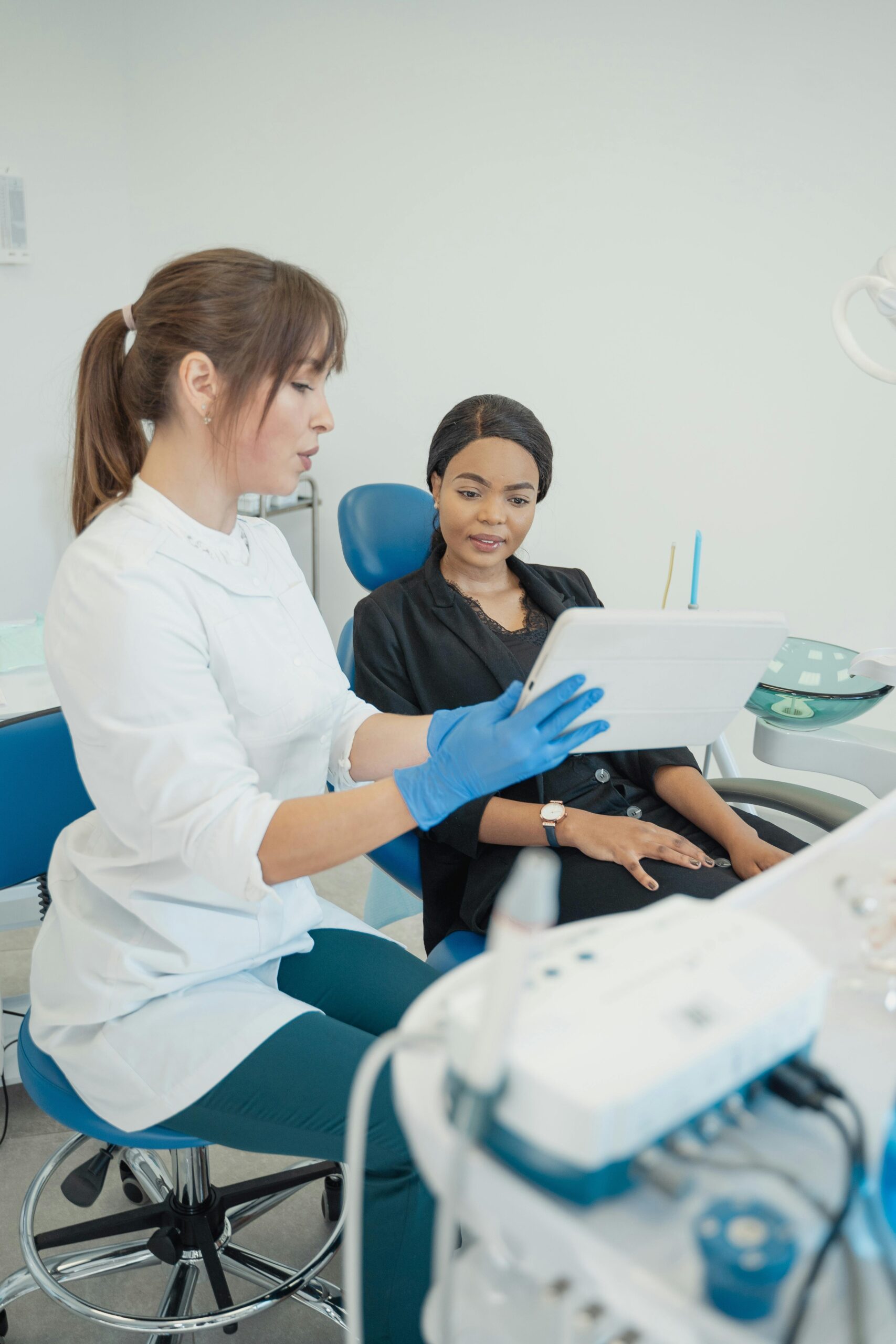
The implant process begins with a detailed consultation. This is not a quick glance at the mouth followed by a price quote. A proper implant evaluation looks at the whole picture, including gum health, bone volume, bite forces, medical history, medications, and the condition of nearby teeth.
Most implant workups include digital X-rays, and many providers also use 3D cone beam imaging. That scan gives a far more accurate view of bone height, width, density, and the location of important anatomical structures such as the maxillary sinus or the inferior alveolar nerve in the lower jaw. In straightforward cases, that information confirms the patient is ready to proceed. In more complex cases, it reveals what needs to happen first.
This appointment is often where patients learn that replacing a missing tooth is not always the first step. If there is gum disease, active decay, a cracked neighboring tooth, or a retained infected root, those issues usually need to be addressed before implant surgery. Healthy tissue around the future implant matters. Placing an implant into an unhealthy environment raises the risk of failure.
In Bakersfield, where busy schedules and long commutes are part of daily life for many families, treatment planning also needs to be realistic. A provider may map out a sequence that respects work demands, travel plans, or the need to spread appointments over time. The best plans are not rushed. They are personalized.
Deciding whether you are a strong candidate
Most healthy adults can be considered for implants, but candidacy is never automatic. Good oral hygiene, enough supporting bone, and stable overall health all improve the outlook. Smoking can complicate healing. Uncontrolled diabetes can also increase risk. Certain medications, especially those affecting bone turnover, may require additional discussion with both the dental team and the patient’s physician.
Age itself is usually less important than health and bone quality. A fit person in their seventies can be a better implant candidate than a younger adult with severe periodontal disease and poor home care habits. What matters most is whether the implant has a good chance to integrate with the jawbone and remain stable over time.
This is also where expectations are tested. Some patients hope they can walk in missing a tooth and leave the same day with a perfect permanent replacement. Immediate solutions do exist in some cases, but not every mouth is suited for them. Thin bone, infection, heavy grinding, or poor implant positioning options may call for a slower, staged approach. A careful dentist will say so plainly.
Preparatory treatment, when the mouth needs a head start
One of the most common surprises in implant treatment is the need for preliminary procedures. Not every patient needs them, but they are common enough that it helps to understand why they matter.
If a tooth is still present and must be removed, the extraction may happen first. Sometimes the implant can be placed immediately after the extraction. Sometimes it cannot. The decision depends on infection, bone condition, and whether enough primary stability can be achieved on the day of surgery.
Bone grafting is another frequent part of the process. When a tooth has been missing for a while, the jawbone often shrinks. A graft helps rebuild the ridge so an implant can be placed with proper support and positioning. In the upper back jaw, a sinus lift may be recommended if the sinus cavity sits too low and leaves inadequate bone height.
None of this means a patient is a poor candidate. In fact, grafting is often what turns a marginal situation into a predictable one. I have seen patients arrive worried that they had waited too long, only to learn that with staged treatment and a few months of healing, implants were still very much possible. The trade-off is time. Rebuilding bone adds months to the process, but it often improves long-term success dramatically.
The surgical placement of the implant
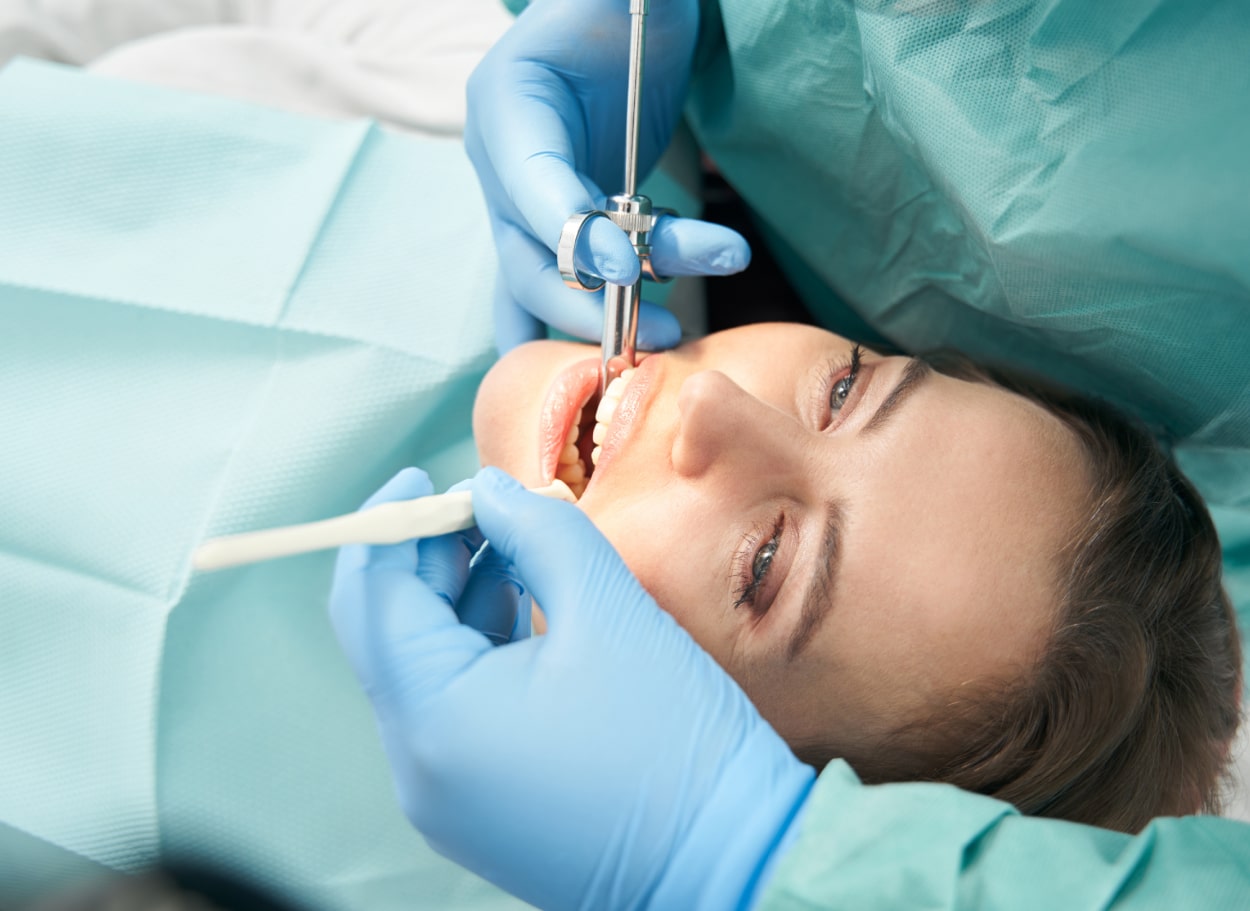
Once the site is ready, the implant itself is placed surgically. For many patients, this is the moment that causes the most anxiety, but the procedure is usually more manageable than they expect. Local anesthetic is standard, and some offices also offer sedation options depending on the complexity of the surgery and the patient’s comfort level.
During the appointment, the dentist or oral surgeon makes a small opening in the gum, prepares the bone with precise instruments, and inserts the implant into the jaw. In some cases, the gum is stitched over the implant for a buried healing approach. In others, a healing cap is left visible through the gum.
A single straightforward implant placement can be surprisingly efficient. The soreness afterward is often compared to a routine extraction, though experiences vary. Patients may have mild swelling, tenderness, and temporary dietary restrictions. Ice, prescribed or recommended medication, and soft foods usually help in the first few days.
The important point is that surgery is only one phase. The implant may be physically in place, but it is not yet ready to carry the final biting forces of a crown. That comes later, after the bone has bonded to the implant surface.
Osseointegration, the quiet stage that determines long-term success
The healing phase after implant placement is called osseointegration. This is when the surrounding bone fuses with the implant surface and creates the stability needed for long-term function. It is the biological foundation of the whole treatment.
Healing times vary. For many patients, integration takes roughly three to six months. Dense healthy bone may heal more efficiently than thinner or grafted bone. The location in the mouth also matters. Front lower jaw bone often behaves differently than the softer bone found in parts of the upper jaw.
This stage can test a patient’s patience because not much appears to be happening. There may be no dramatic visible change, just periodic follow-up visits to confirm the site is healing properly. Yet this quiet phase is where much of the success is won. Loading an implant too early in the wrong case can jeopardize stability. Waiting appropriately protects the investment.
Patients with temporary gaps during this period are often given cosmetic or functional interim options, depending on the tooth location. That might be a temporary flipper, a temporary bridge, or a provisional restoration. The right choice depends on appearance needs, bite demands, and the need to avoid pressure on the healing implant.
What the timeline often looks like
Every treatment plan is individual, but a typical sequence for Dental Implants Bakersfield CA often follows a rhythm like this:
- Consultation, imaging, and treatment planning.
- Extraction or grafting, if needed, followed by healing.
- Implant placement surgery.
- Osseointegration over several months, with follow-up checks.
- Final crown, bridge, or denture placement once the implant is stable.
That timeline may compress in simple cases or stretch out in complex https://tituszbiy287.ironwoodscope.com/posts/the-confidence-boost-of-dental-implants-in-bakersfield-ca ones. Someone receiving a single implant in a healthy site may finish much sooner than a patient rebuilding multiple areas with grafting and bite correction. The right pace is the one that gives the implant the best long-term odds.
The abutment and impression stage
Once the implant has integrated successfully, the restorative phase begins. If the implant was covered during healing, a minor uncovering procedure may be needed to expose it. After that, an abutment is attached. This is the small connector piece that links the implant in the bone to the visible restoration above the gumline.
Then the office takes impressions or digital scans. This step matters more than many patients realize. The final crown is not just a white cap placed on top. It has to match the bite, contact neighboring teeth properly, support the gum tissue attractively, and emerge from the gum in a way that looks natural. For front teeth especially, details like shape, translucency, and gum contour can make the difference between a restoration that blends in beautifully and one that always looks slightly off.
This is also where communication with the lab becomes important. Good restorative work is part biology and part craftsmanship. Shade selection, contours, and functional design all need attention. If you are replacing a highly visible tooth, asking to see a try-in or discussing cosmetic expectations in detail is perfectly reasonable.
Delivering the final tooth
When the final crown, bridge, or implant-supported denture is ready, it is secured to the implant. Some restorations are screw-retained. Others are cement-retained. Each method has pros and cons. Screw-retained restorations can be easier to retrieve later for maintenance, while cement-retained restorations can offer esthetic advantages in certain situations. The best choice depends on implant angle, access, and the restorative plan.
At delivery, the dentist checks several things carefully. The bite must be balanced so the implant does not take excessive force. Contacts with adjacent teeth must feel right. The patient should be able to clean around the restoration effectively. If the restoration is placed in an area with strong bite pressure, small adjustments can protect it from overload.
The first few days with the new tooth can feel unfamiliar. Even when the fit is excellent, patients often need a short adjustment period. Speech, biting pressure, and awareness of the new crown usually settle quickly. What patients often notice first is stability. Unlike a removable option, an implant-supported tooth does not shift when they eat or talk.
Recovery, discomfort, and what daily life is really like
One of the most common questions patients ask is whether the process hurts. The honest answer is that there is discomfort, but most people find it less severe than they feared. The consultation and planning stage are painless. Imaging and scans are routine. The surgery itself is done under anesthesia, so pain during the procedure is controlled. Afterward, soreness is expected, especially in the first forty-eight to seventy-two hours.
The degree of recovery depends on the procedure. A single implant placed in a healthy site is often easier than an extraction with grafting, and much easier than full-arch surgery. Mild swelling, tenderness, and temporary food restrictions are normal. Severe pain that worsens rather than improves should always be reported.
For many working adults in Bakersfield, timing matters. A straightforward implant surgery on a Thursday or Friday often allows for a quieter recovery weekend. Patients with physically demanding outdoor jobs may need to be more cautious, especially in hot weather, because exertion can increase swelling and discomfort early on. Planning ahead with meals, medication, and a lighter schedule makes recovery smoother.
Costs, value, and why estimates can vary so much
Implants are an investment, and the total cost can vary widely because the treatment itself varies widely. A quote for a straightforward single implant without grafting will look very different from one that includes extraction, bone graft, temporary prosthetics, custom abutments, and a high-esthetic front-tooth crown.
That range can frustrate patients, especially when they compare online prices. The problem is that many advertised numbers do not reflect the entire process. They may mention the implant post but exclude imaging, abutment, grafting, sedation, or the final restoration. A meaningful treatment estimate should spell out what is included and what might become necessary if conditions change during treatment.
The cheapest plan is not always the least expensive over time. If treatment is rushed, poorly planned, or done in a way that compromises long-term hygiene and bite function, the patient may face repairs, remakes, or peri-implant complications later. On the other hand, not every case needs the most expensive materials or the most elaborate approach. Good care is about fit, planning, and execution, not just price.
Maintenance after the implant is complete
An implant does not get cavities, but that does not make it maintenance-free. The surrounding gum and bone can still become inflamed if plaque accumulates. Peri-implant mucositis and peri-implantitis are real concerns, especially for smokers, patients with a history of gum disease, and anyone who struggles with home care.
Daily cleaning is essential. That usually includes brushing carefully along the gumline and using floss, interdental brushes, or other tools recommended by the dentist for the specific restoration design. Regular professional cleanings and implant checks matter just as much. A crown can look fine from the outside while subtle tissue inflammation develops underneath.
One issue I have seen repeatedly is patients assuming an implant is indestructible because it feels solid. They bite ice, open packaging with their teeth, or ignore clenching and grinding. Implants are durable, but the crown can chip and the surrounding structures can still suffer from excessive force. If you grind your teeth at night, a night guard may be part of protecting the result.
Questions worth asking before you commit
When you meet with a provider about Dental Implants Bakersfield CA, a few practical questions can tell you a great deal about how your case will be handled:
- Am I a candidate for immediate placement, or is staged treatment safer?
- Do I need bone grafting or sinus work before the implant can succeed?
- Who will place the implant and who will make the final restoration?
- What is included in the treatment fee, and what could add to the cost?
- How will my temporary tooth be managed during healing?
These are not confrontational questions. They are the kinds of questions thoughtful patients ask when they want to understand the process, not just the sales pitch. A provider who explains clearly, acknowledges limitations, and sets realistic expectations is often the one worth trusting.
Choosing the right provider in Bakersfield
Bakersfield has a broad mix of dental offices, from general practices that restore routine implant cases to specialists who handle advanced surgery, grafting, and full-mouth reconstruction. The right fit depends on the complexity of your case.
For a single straightforward implant, a skilled general dentist working with a strong lab and careful planning may be an excellent option. For severe bone loss, multiple missing teeth, failed prior implants, or full-arch rehabilitation, involving a periodontist, oral surgeon, or prosthodontist may be wise. In many of the best cases, care is collaborative. One clinician places the implant, another designs and delivers the restoration, and both coordinate follow-up.
Pay attention to how thoroughly the consultation is handled. A rushed exam with vague promises is a warning sign. A strong implant evaluation usually includes imaging review, a discussion of alternatives, a frank conversation about timelines, and a clear explanation of the risks and benefits.
The bigger picture behind the process
The dental implant process is not complicated for the sake of being complicated. Each phase has a purpose. Planning protects anatomy and sets up the restoration. Grafting, when needed, creates support. Surgery places the implant where forces can be managed properly. Healing allows the bone to integrate. The final restoration restores appearance and function. Maintenance protects the result.
What many patients appreciate most, once treatment is done, is how normal life feels again. They eat without thinking about a loose appliance. They smile without managing a gap. They stop compensating on one side of the mouth. That return to normal is easy to underestimate until it is gone, and deeply satisfying once it is restored.
If you are considering Dental Implants Bakersfield CA, the smartest next move is not to chase the fastest promise. It is to get a careful evaluation, understand the sequence, and choose a team that plans with the long term in mind. Implants reward patience. When the process is done properly, that patience usually pays off in years of comfort, stability, and confidence.
Smyle Dental Bakersfield
2016 E St, Bakersfield, CA 93301, United States
+16614939040
FAQ About Dental Implants Bakersfield CA
What is the downside of a dental implant?
The main downsides of dental implants involve high financial costs, surgical risks, a lengthy healing process, and the potential for long-term complications.
How much does a full set of implants usually cost?
A full set of dental implants (covering both the upper and lower arches) typically ranges from $6,000 to $90,000+, depending heavily on the type of treatment, materials used, and whether the teeth are fixed or removable.
Can I have all my teeth pulled and get implants?
Yes, you can have all your teeth pulled and replaced with dental implants. Instead of placing a separate implant for every single tooth (which is costly and time-consuming), dentists typically use full-arch systems.
Ends · JOHNATHANJKRY654